Choose your plan
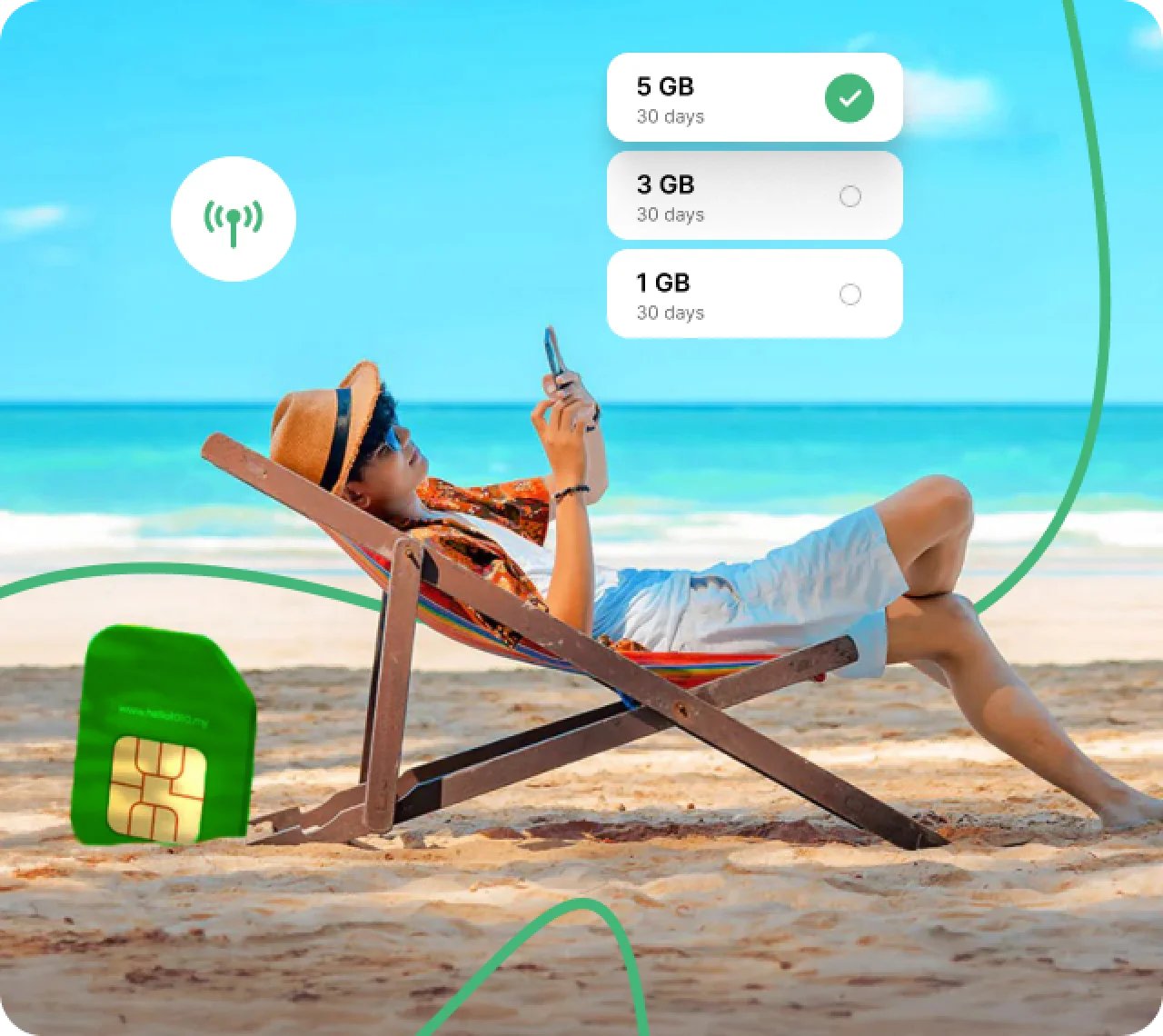
Select the perfect plan that fits your needs and budget. Flexible options designed just for you.
How It Works
If you want to purchase an eSIM plan, follow these steps to activate it.
Choose an eSIM destination for your trip
Choose an eSIM destination for your trip and instantly access affordable mobile data plans tailored to your travel needs
Purchase a Plan
Securely complete your payment for the eSIM and get instant access to your mobile data plan.
Scan the eSIM QR code for activated eSIM & enjoy
Scan the eSIM QR code to activate your plan instantly. Once activated, you're all set to enjoy seamless connectivity wherever you go.


Japan eSIM
Japan is remarkably easy to travel and remarkably hard to improvise in. Train transfers are measured in minutes, restaurant queues run on paper tickets, and a surprising number of small places still take cash only. A Japan eSIM gives you the maps, translation and transit apps that hold the whole plan together.
Install the profile before you leave home and it activates when you reach Narita, Haneda or Kansai — no pocket-Wi-Fi rental counter, no returning a device on your way out. For anyone changing trains at Shinjuku or Tokyo Station within a tight window, that is a meaningful head start.
We list 101 Japan plans from $0.95. Daily options suit a Tokyo city break; 10 to 30-day bundles fit a wider loop through Kyoto, Hiroshima and the Japan Alps. If your itinerary also takes in Korea or Taiwan, an Asia regional plan covers several countries on one profile.
Networks and coverage
Japanese mobile coverage is dense and reliable, including on the Shinkansen and deep inside subway systems where many countries lose signal. 79 of our 101 Japan plans carry 5G; the rest run on 4G/LTE, which remains fast in practice across the country.
These eSIM plans provide mobile data and do not include standard calls or SMS. Keep your regular SIM available for verification codes and use internet messaging apps over data. Mountain areas in Nagano and Tohoku, and the smaller Okinawan islands, have thinner coverage than the Tokyo–Osaka corridor.